Description
Skills for the ten seconds between fine and furious
Your teenager goes from fine to furious in ten seconds and the door slams before you have finished the sentence. Lectures do not teach skills. Practice does.
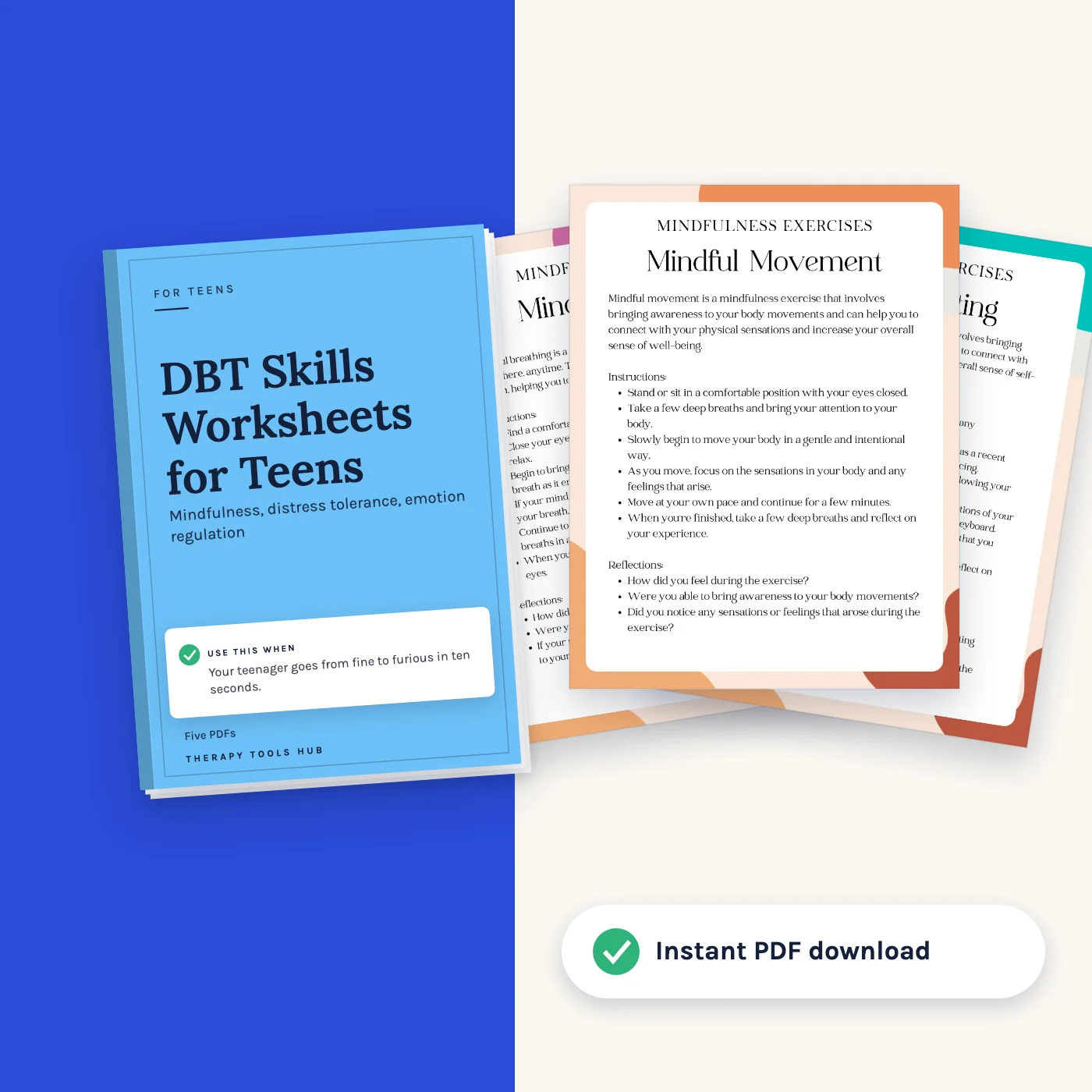
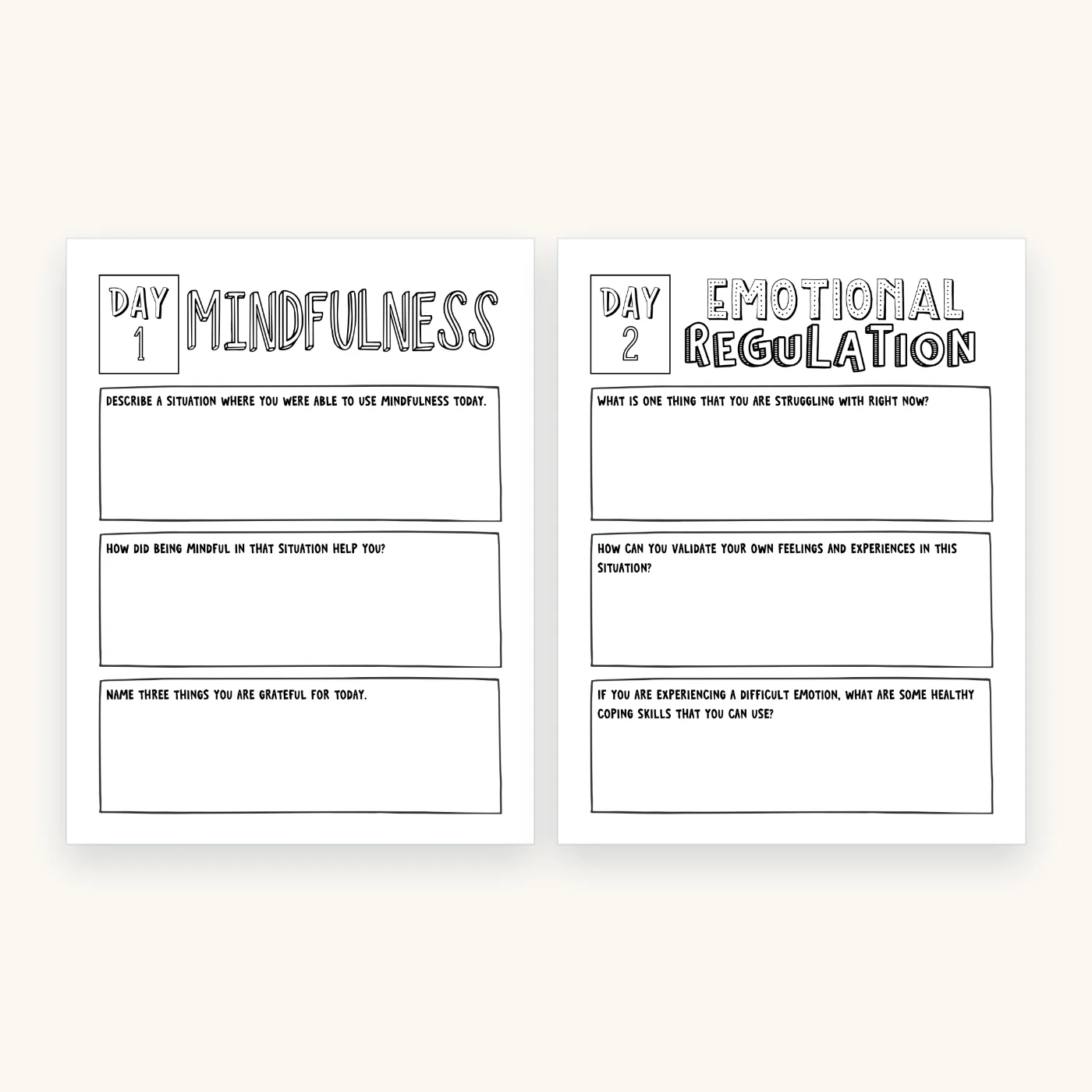
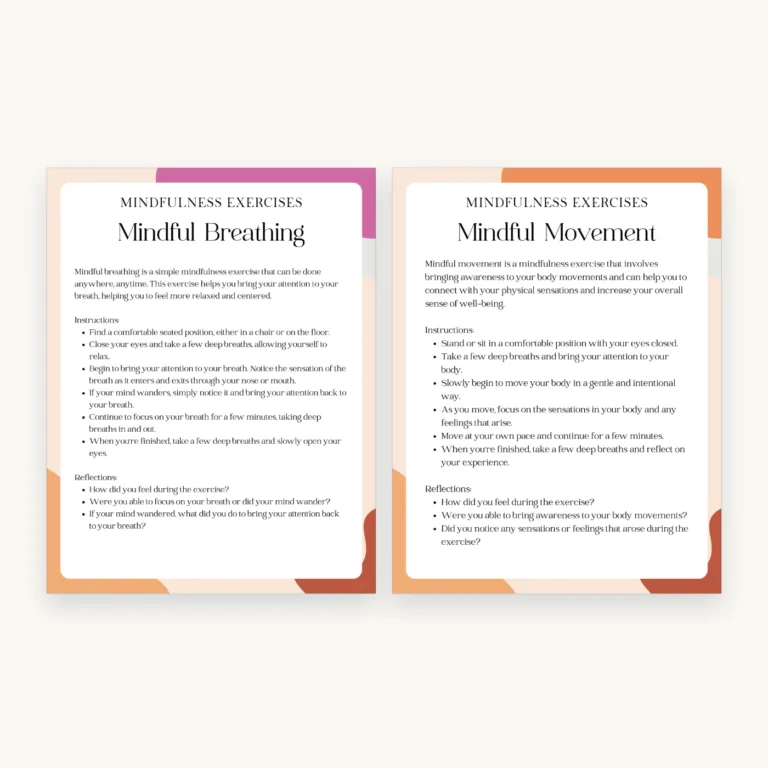
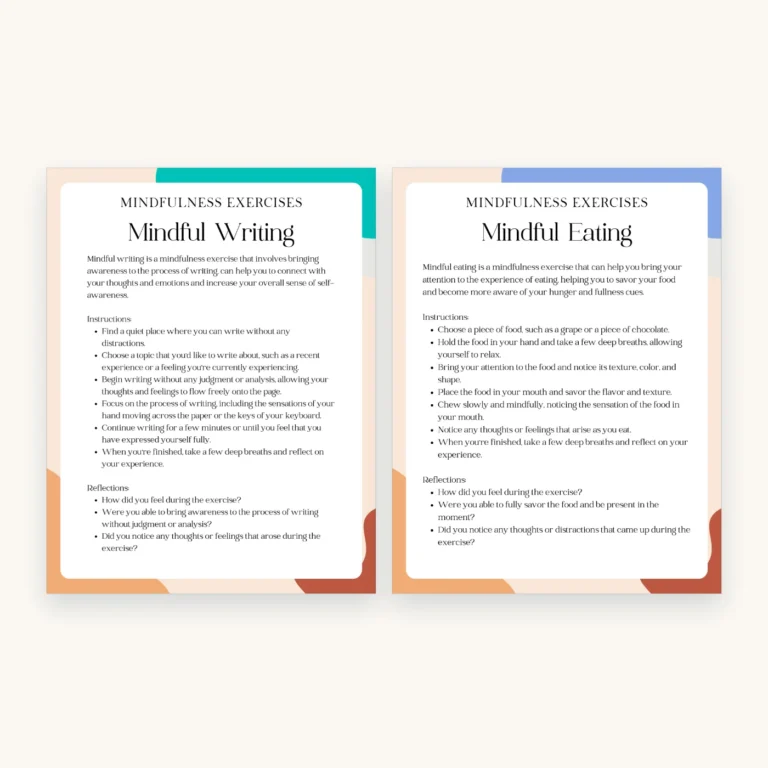
Five PDFs cover the four DBT skill areas, mindfulness, distress tolerance, emotion regulation and interpersonal effectiveness, in formats a teenager will use: a skills workbook, a 12-day journal, ten mindfulness exercises, a DBT house of coping statements, and colouring pages for the days when talking is too much. Parents, school counsellors and therapists hand over one page at a time.
Inside the five files
- DBT skills workbook for teens
- 12-day DBT journal, 17 pages
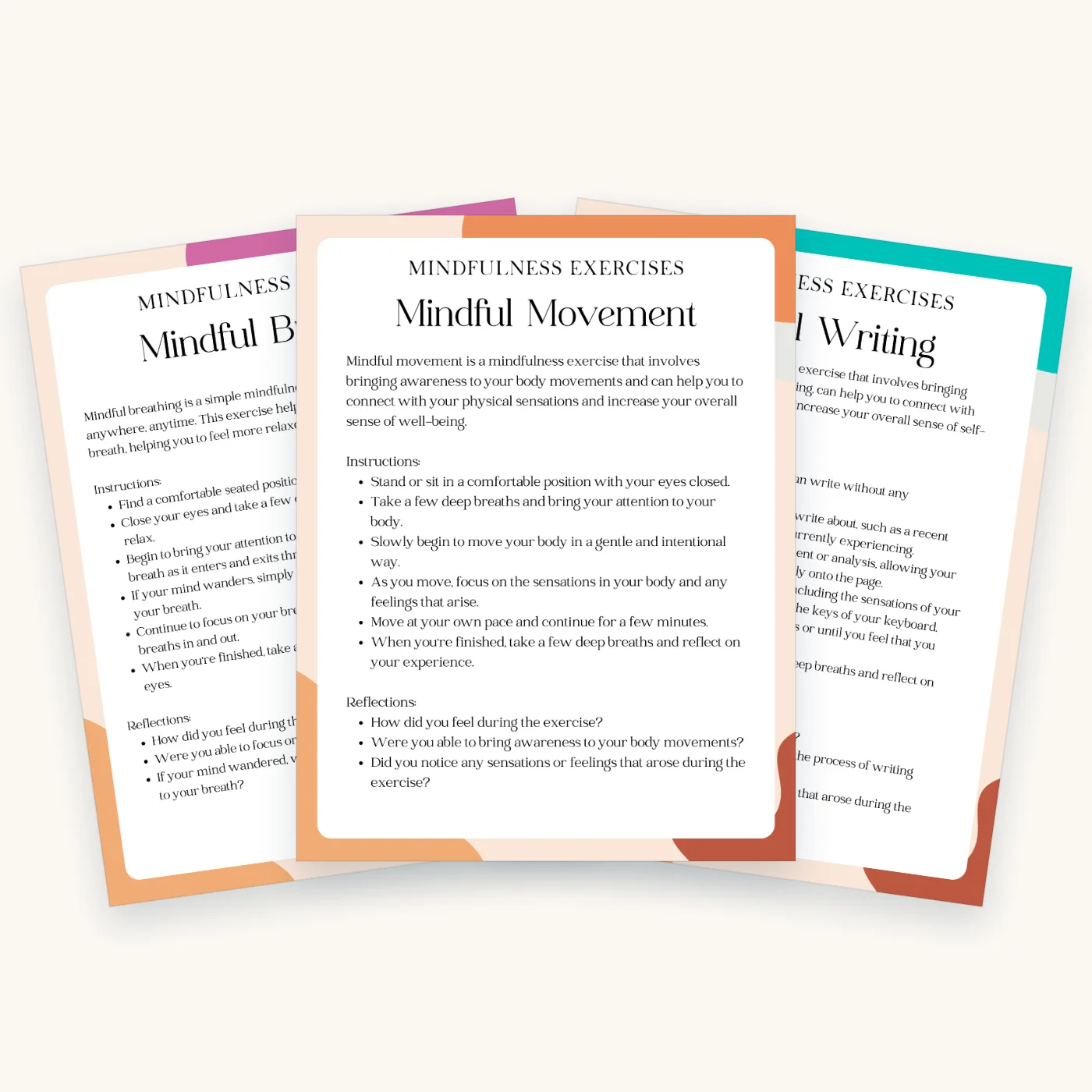
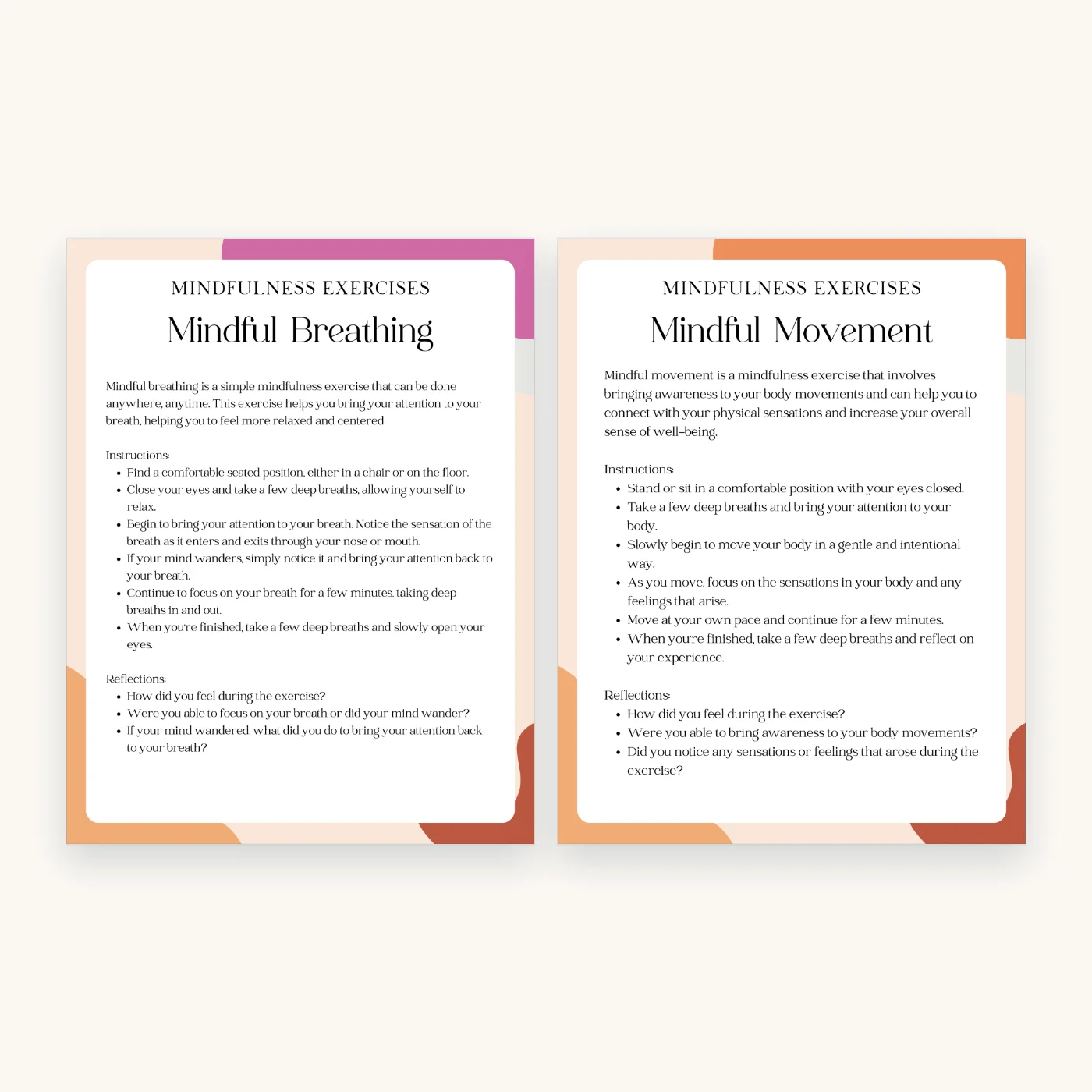
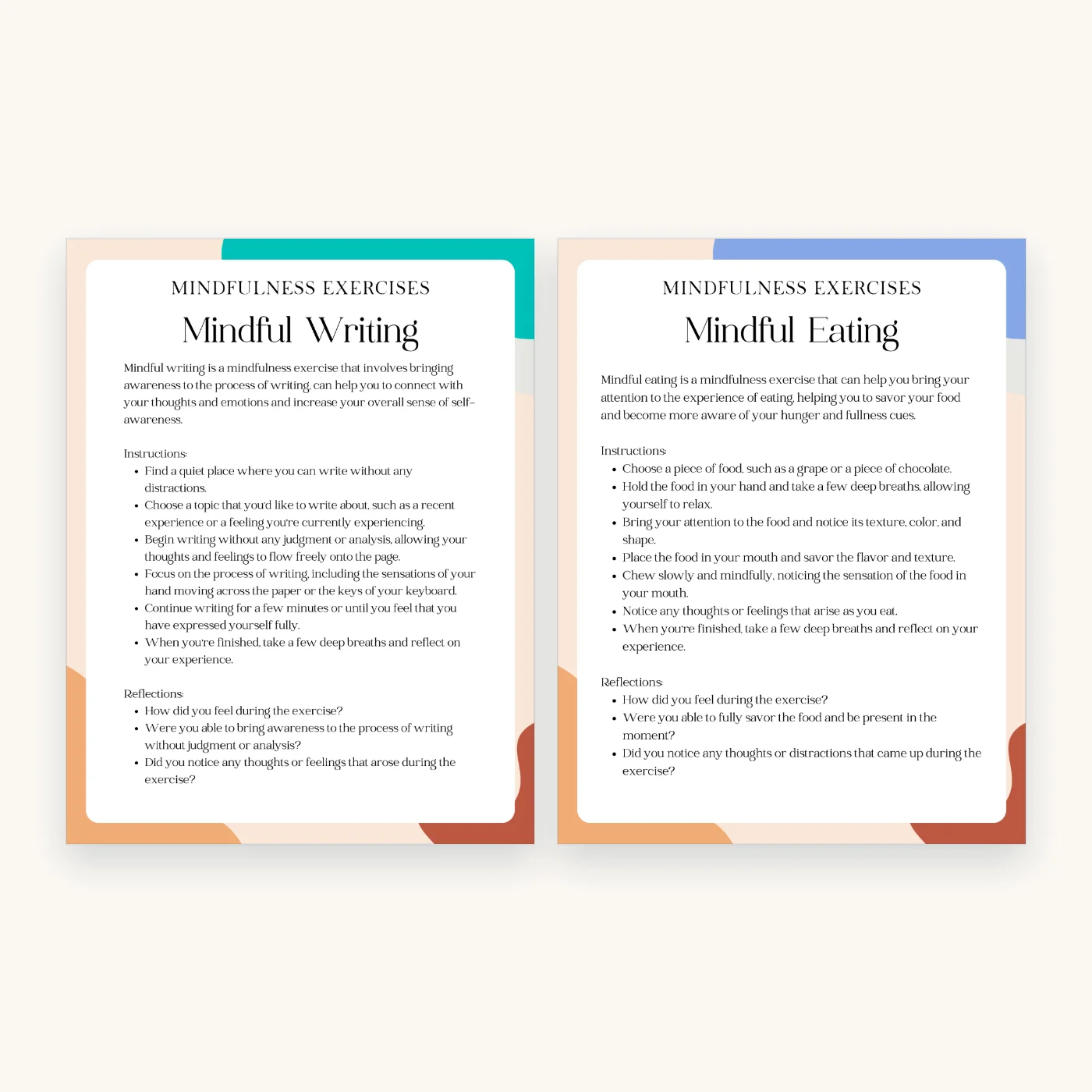
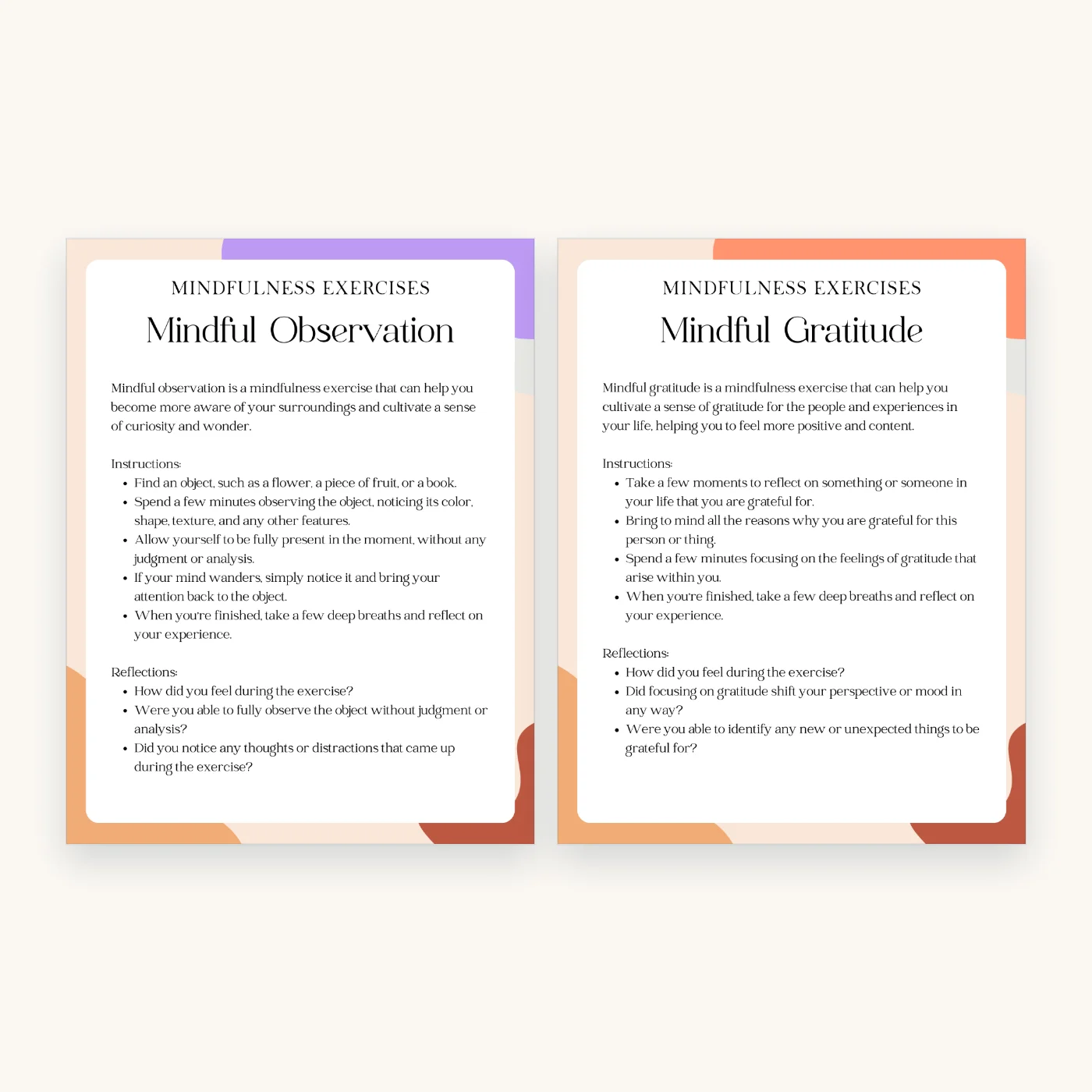
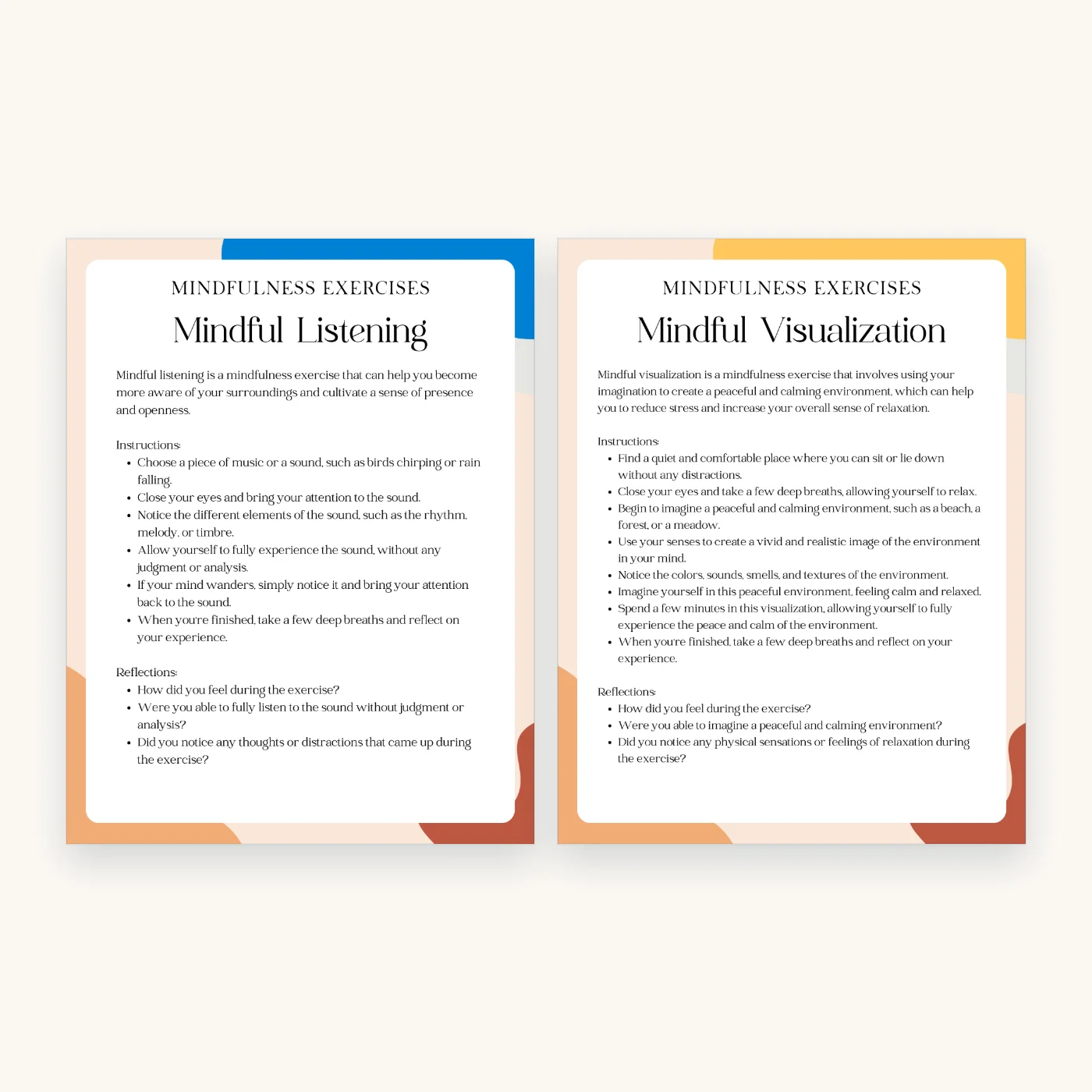
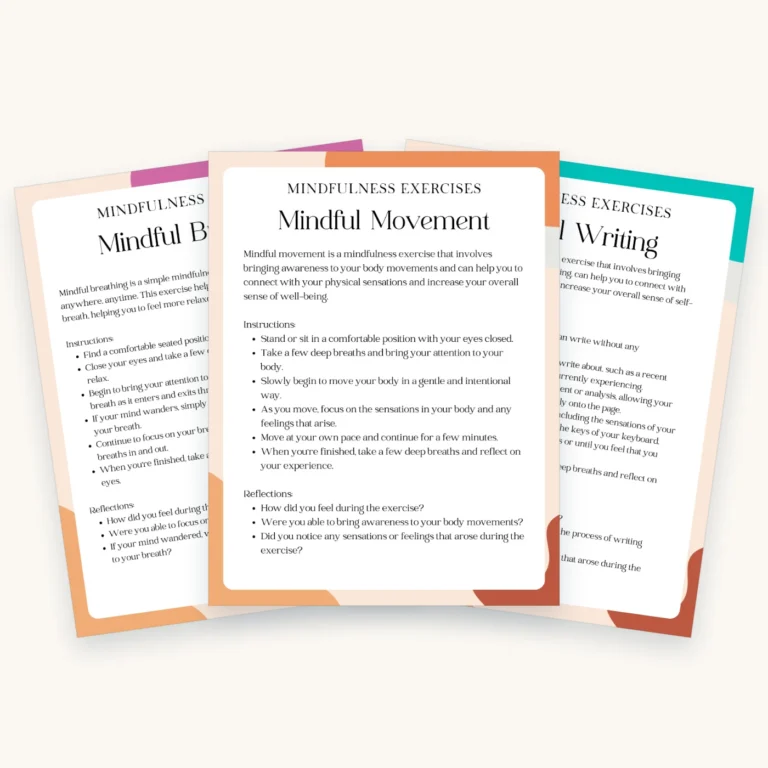
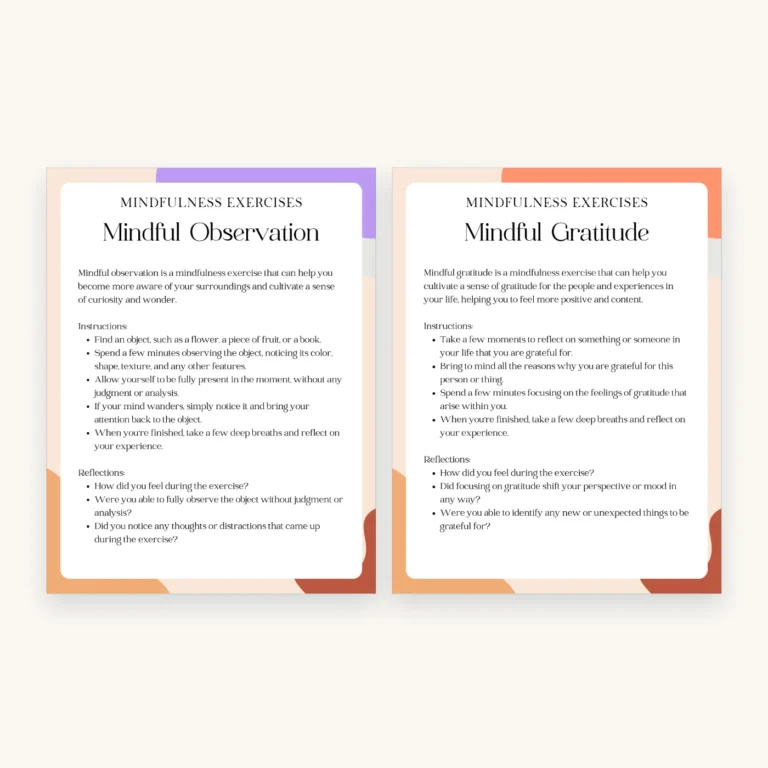
- 10 mindfulness exercises
- DBT house and coping statements, 16 pages
- DBT colouring pages, 10 pages
DBT skills worksheets for teens, one page at a time
Your daughter comes home from school, drops her bag and goes silent. Twenty minutes later she is in tears over a message from a friend. Dialectical behaviour therapy, or DBT, teaches skills for this moment: noticing the feeling early and getting through the peak without making things worse.
DBT groups its skills into four areas. Mindfulness and distress tolerance help in the moment. Emotion regulation and interpersonal effectiveness build steadier days and clearer conversations over weeks of practice.
Who the DBT handouts for teens suit
- Parents of teenagers whose moods swing fast
- School counsellors and pastoral staff
- Therapists who set DBT homework between sessions
- Teens who would rather colour or write than talk about how they feel
How to use the five files
Start with the DBT skills workbook to introduce the four areas. Print one page, sit beside your teenager and work through it together. Then offer the 12-day journal as a short commitment, one entry a day for under two weeks. Let your teenager choose the next page, so the practice feels like theirs and not another instruction from you.
Keep the 10 mindfulness exercises and the DBT house with its coping statements for harder evenings. The colouring pages suit the days when talking is too much. If arguments at home are the main issue, the conflict resolution worksheets for adults help parents practise the same calm approach.
Questions about the DBT worksheets for teens
What are the four DBT skills for teens?
Mindfulness, distress tolerance, emotion regulation and interpersonal effectiveness. The bundle covers all four.
What format is it?
Five PDFs in US letter size, more than 140 pages in total. Print the pages at home or fill them in on screen. They download straight after payment.
Are the worksheets suitable for use with clients?
Yes. They are written or reviewed by a BACP registered therapist for use in sessions and for self-help at home.
Does it replace therapy for my teenager?
No. It is a reflection and skills resource. If a young person self-harms, talks about suicide or stops eating, contact your GP or CAMHS.
Five PDFs, US letter size, more than 140 pages in total. Print single pages. Instant download after payment.
This is a reflection and skills resource, not treatment. If a young person self-harms, talks about suicide or stops eating, contact your GP or CAMHS.


Reviews
There are no reviews yet.