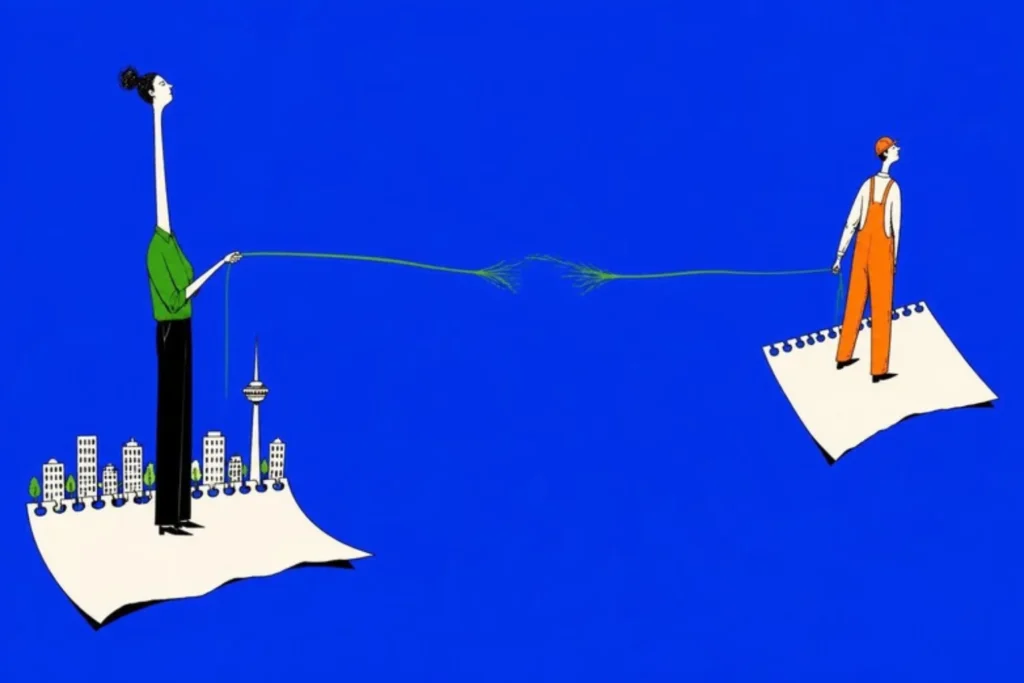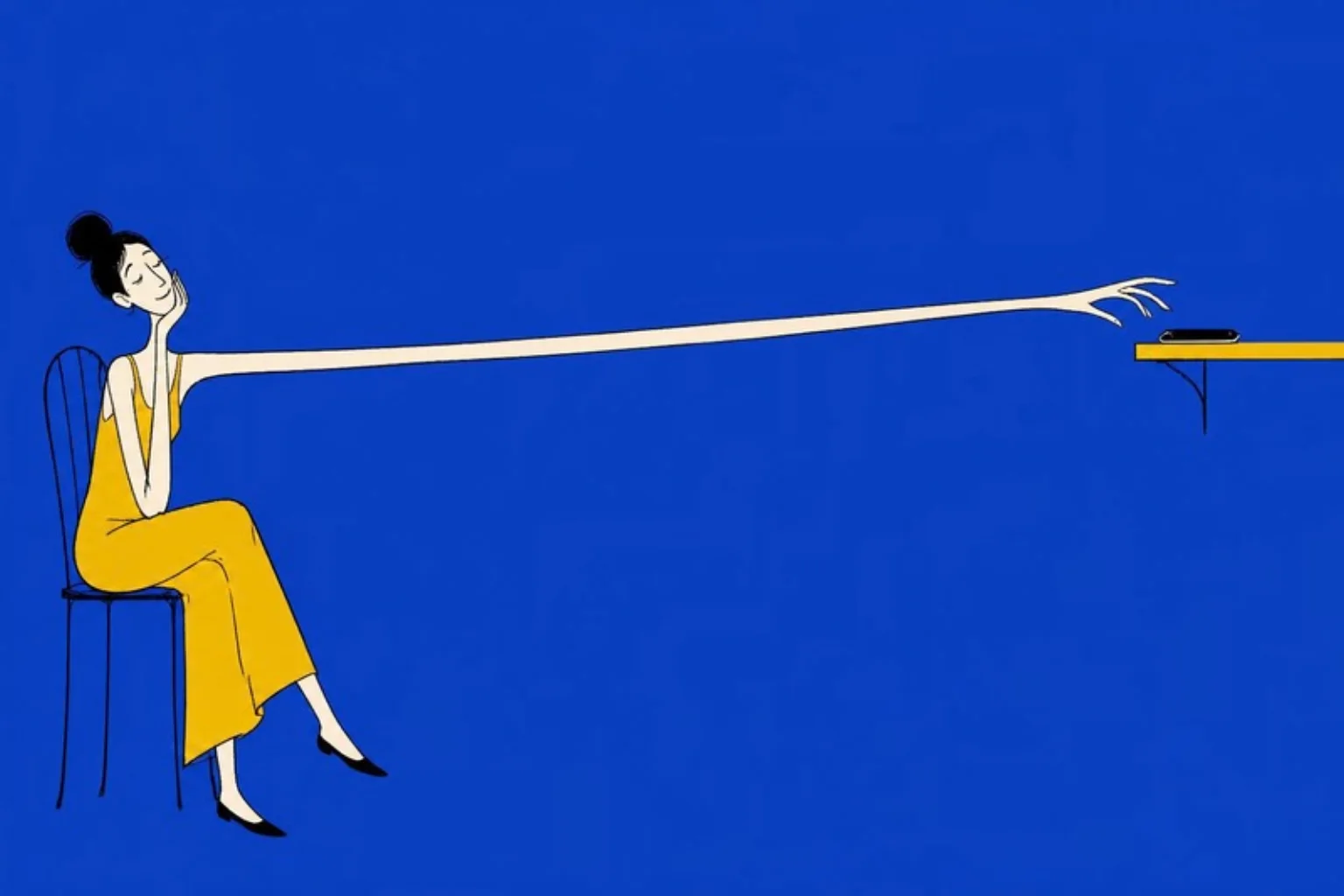
Twenty minutes ago the message showed as read. You put the phone face down, then turned it over, then opened the thread to check the message sent. By the second hour you have written the break-up in your head, deleted it, and written a lighter version which sounds casual and is not.
- Anxious attachment texting is the body treating a slow reply as a threat before the mind has any facts.
- About one in five adults has the anxious pattern. It formed in childhood, and it belongs to you, not to your partner.
- Three moves stop the fourth text: rate the fear, write in a note instead of the thread, and ask for the evidence.
This is anxious attachment texting, and it has its own logic. Silence from a partner lands in the body as a threat before the mind has any facts. The heart rate climbs, the stomach tightens, and the thought arrives fully formed: they are pulling away. A one-line reply at hour three ends the whole episode inside a second, which tells you something. The problem was never the message. It was the wait.
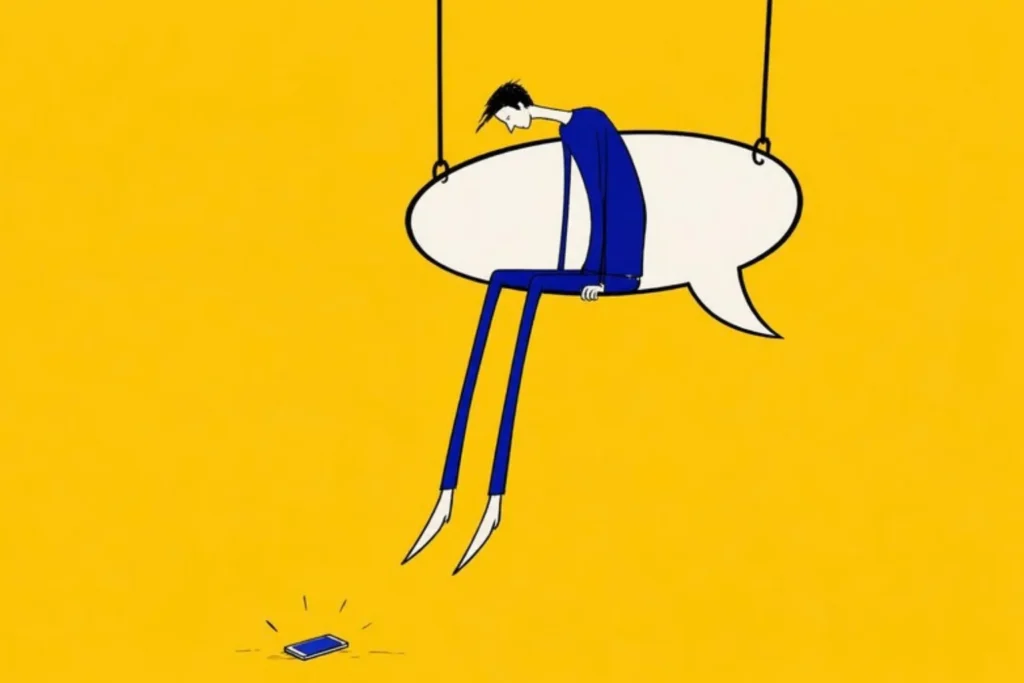
How do you wait for a reply?
Five questions. Answer for the last time someone you liked went quiet.
Which pattern is yours
Attachment patterns form in the first years of life, from how reliably a caregiver responded when a child cried. A child whose comfort arrived sometimes, and sometimes not, learns to stay alert to every sign of withdrawal and to protest early. Hazan and Shaver found in 1987 about one in five adults describes this anxious pattern. Tap a card for what each pattern does at hour two.
Secure
A slow reply is a slow reply.
Secure
You notice the wait, feel a flicker, and get on with the afternoon. When the reply comes you answer it. If a day passes, you ask, once, in plain words. The wait is information, not a verdict.
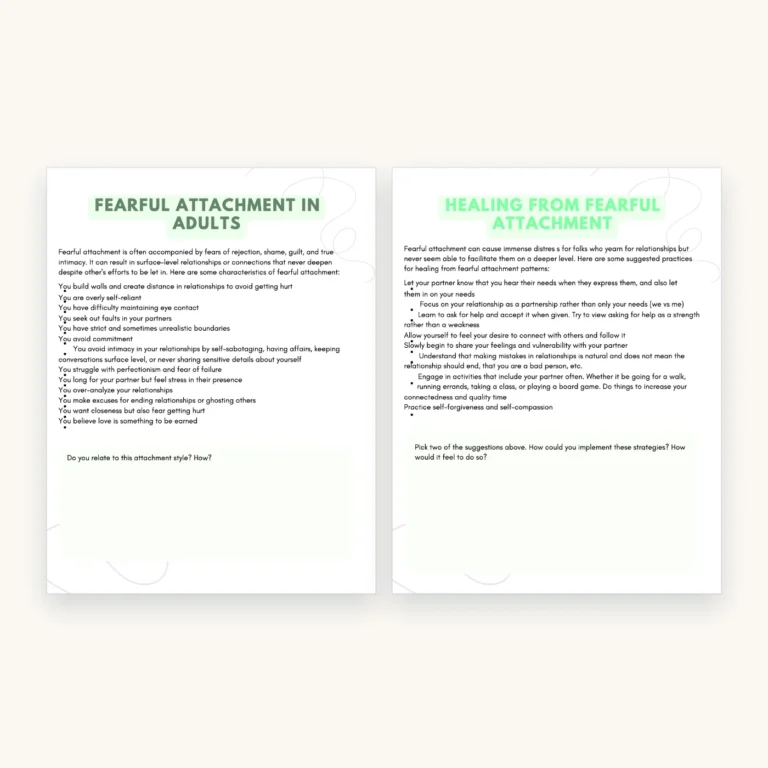
Anxious
Silence means they are leaving.
Anxious
The wait sets off the threat response. You check the thread, reread your last message for the mistake, and draft a text to fix it. Reassurance calms you for an hour, then the cycle restarts. The work: learn to hold the wait without acting on it.
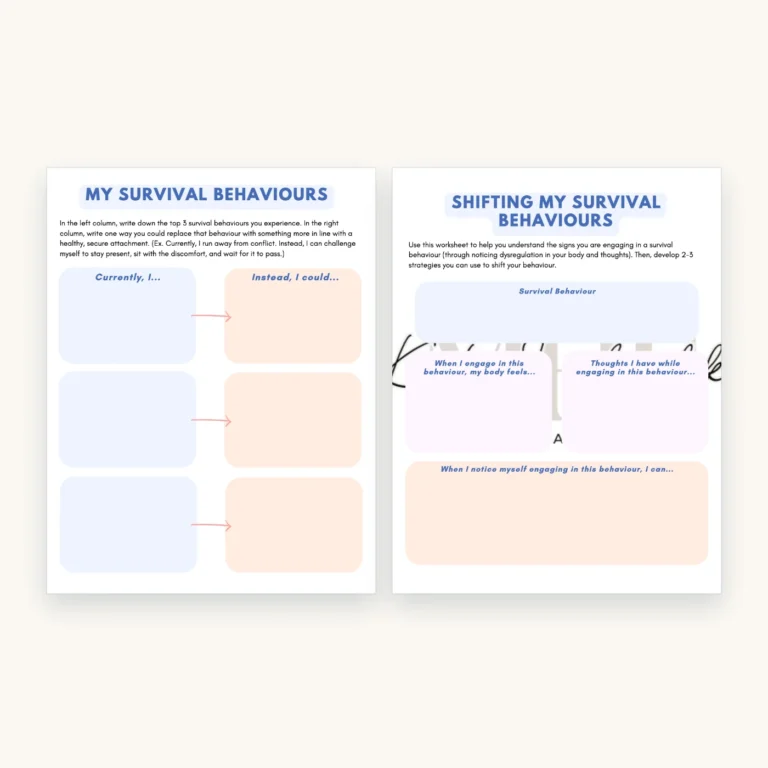
Avoidant
Silence is a relief, until it is not.
Avoidant
You feel the wait as space and are glad of it. Then a longer silence arrives from the other side and you notice the same drop in the stomach you thought you did not have. Distance protects you until someone else chooses it.
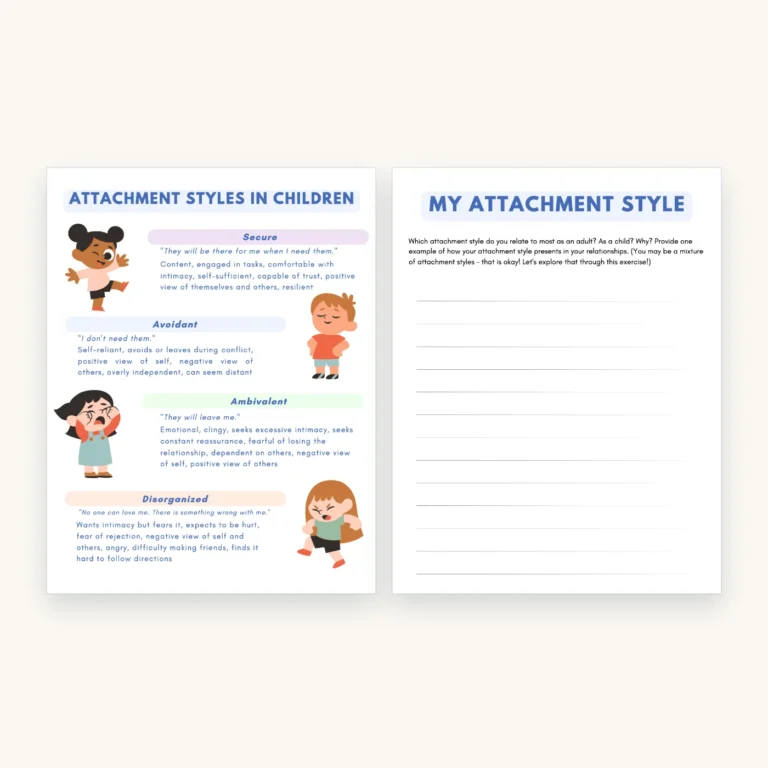
Fearful
You want them close and cannot bear it.
Fearful
You draft the text and the break-up in the same hour. Closeness feels dangerous and so does distance, so the phone goes face down, then face up, then into another room. Both alarms are on. Both need the same steady work.
What a wait does to an anxious nervous system
As an adult, the pattern sits quietly until someone you depend on goes quiet. Then the threat response switches on: get closer, get reassurance, do something. So the fourth text goes out. The reassurance works for an hour, the system resets, and the next unanswered message starts the cycle again. A different partner would pull the same response. The pattern belongs to you, which is the good news, because it means the work sits in your hands.
Where are you right now?
Nothing has happened yet. Twenty minutes is a meeting, a shower, a phone left in a coat. Put the phone in another room and set a timer for an hour. Rate the fear from zero to ten and write the number on the back of your hand. Above seven, you are reading your body, not the situation.
Two hours of silence on a Tuesday afternoon is proof of a Tuesday afternoon. Write the message you want to send in a note, not in the thread. Say everything. Read it back after twenty minutes with a cup of tea in your hand, and notice it asks a question they have answered a hundred times: are you still here.
Stop at three. A fourth adds nothing except evidence for the story you will tell yourself at midnight. When the reply comes, answer it without apologising for the three. Then open the attachment workbook at the fear of abandonment section and do the circle of control exercise before bed. Tonight, not next week.
The episode ended inside a second, which is the whole lesson. The problem was never the message. It was the wait. Write down what the two hours cost you, in plain terms: a meeting you did not hear, a meal you did not taste. The cost is the reason to work on the pattern while the relationship is fine.

Say this instead
The message you send at hour two decides how hour three goes. Tap each one for the version which keeps your dignity and gets an answer.
If you are pulling away just say so.
Thinking of you. Talk when you are free.
Asks for nothing, accuses nobody, and leaves the door open. When the reply comes, the conversation starts from warmth, not from a charge sheet.
Did I do something??
Nothing sent.
The question was never for them. It was for the fear. Write it in a note, answer it yourself (no, you did not), and let the thread stay quiet.
Fine. Forget it.
I get anxious when things go quiet. Not your fault, and I am working on it.
One sentence, said in daylight, does more for the relationship than a month of silent checking. Partners respond to a named fear. They cannot respond to a sulk.
Three things to do before the fourth text
Put a number on the fear
Put a number on the fear
Zero is calm, ten is certain you are being left. Write the number down. No decision made at eight survives the next morning, so decisions wait until the number drops below five.
Write it in a note, not the thread
Write it in a note, not the thread
Say everything, in full, with no audience. Read it back after twenty minutes. Most of these messages ask a question the person has answered a hundred times, and reading it cold shows you.
Ask for the evidence
Ask for the evidence
Today, what proof do you hold of being left? A slow reply is proof of a slow reply. Say the evidence out loud and notice how thin it sounds next to the fear.
What changes the pattern
Reassurance from a partner treats the symptom. The pattern shifts when you work with the fear directly: where it began, which behaviours it drives (checking, over-apologising, testing, pulling away first), and which parts sit inside your control. People who do this work describe the same result. The wait still comes. The break-up text does not get drafted.
Two notes before you start. If your partner’s silence comes with contempt, control or fear, this is a different problem, and the National Domestic Abuse Helpline (0808 2000 247) is the right call. And if the checking has spread from your phone into your sleep and your work, a therapist will get you further, faster, than any workbook.
Downloads for this
A fictional example
Ravi sends a photo at 8pm. By 9.15 there is no reply and he has drafted four messages, the last one ending things. At 9.40 a reply arrives: she was in the bath, then on the phone to her mother. The draft was never about her evening. It was about the two hours of silence and what his body made of them.
Where this stops
This page describes ordinary anxiety about a message. If waiting for replies comes with panic attacks, checking you cannot stop, or fear of a partner who punishes you for asking, you need a person rather than a worksheet: a GP, a therapist, or a domestic abuse service if there is fear.
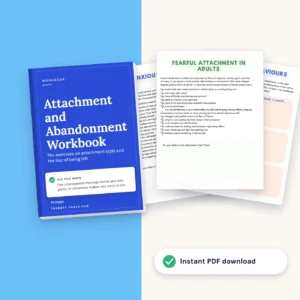
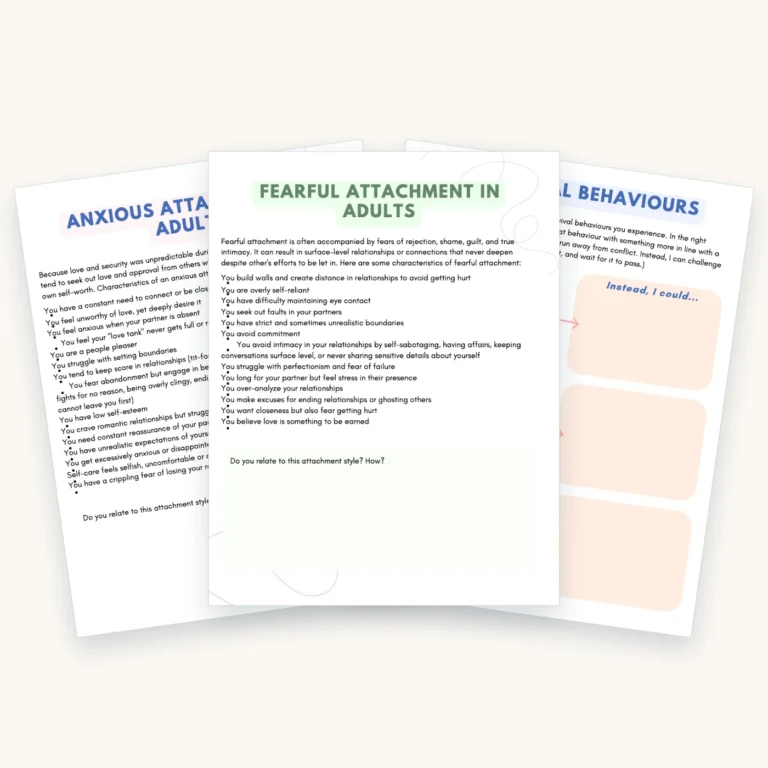
Attachment and Abandonment Workbook: 70+ Exercises
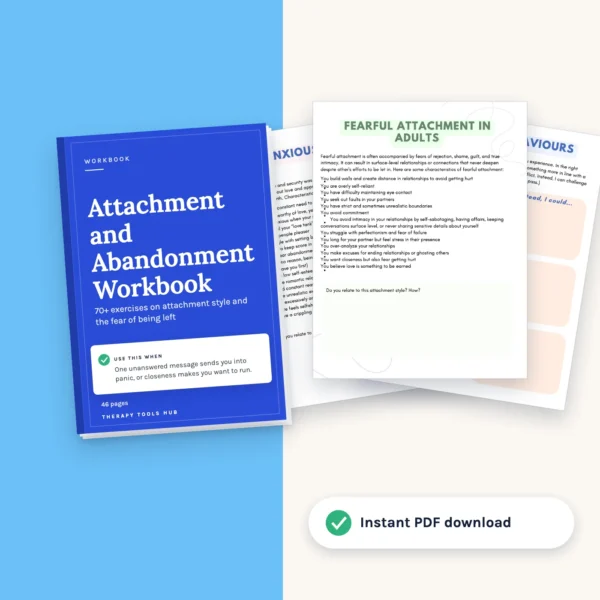
The worksheet for this
Attachment and Abandonment Workbook: 70+ Exercises
More than 70 exercises on attachment style, fear of abandonment and the patterns you repeat, to work through at your own pace.
Questions people ask
What is anxious attachment texting?
Anxious attachment texting is a pattern where an unanswered or slow message triggers a threat response: checking the thread, rereading your own messages for mistakes, and sending follow-ups to get reassurance. It comes from an anxious attachment style, which about one in five adults has.
Why does an unanswered text feel like rejection?
For someone with an anxious attachment pattern, silence from a partner reads as withdrawal, and the body reacts before the mind has any facts. The heart rate rises and the thought arrives fully formed. A one-line reply ends the episode in a second, which shows the wait, not the message, was the problem.
How do I stop overthinking a slow reply?
Rate the fear from zero to ten and write the number down. Write the message you want to send in a note rather than the thread, and read it back after twenty minutes. Then ask what evidence you hold, today, of being left. A slow reply is only evidence of a slow reply.
Is anxious attachment permanent?
No. Attachment patterns formed in childhood shift with practice in adulthood. Working directly on the fear of abandonment, its sources, the behaviours it drives and the parts inside your control, changes how the wait feels over time. A therapist speeds the process when the pattern affects sleep or work.
- Hazan, C. and Shaver, P. (1987). Romantic love conceptualized as an attachment process. Journal of Personality and Social Psychology, 52(3), 511 to 524. doi.org/10.1037/0022-3514.52.3.511
- Mikulincer, M. and Shaver, P. R. (2016). Attachment in Adulthood, 2nd edition. Guilford Press.
More on this topic: relationship and attachment workbooks.