Description
Lion, turtle or cat: find out which one you live in
Your heart races on a quiet Sunday with no threat in sight. You have read about the fight-or-flight response. Nobody showed you how to get out of it.
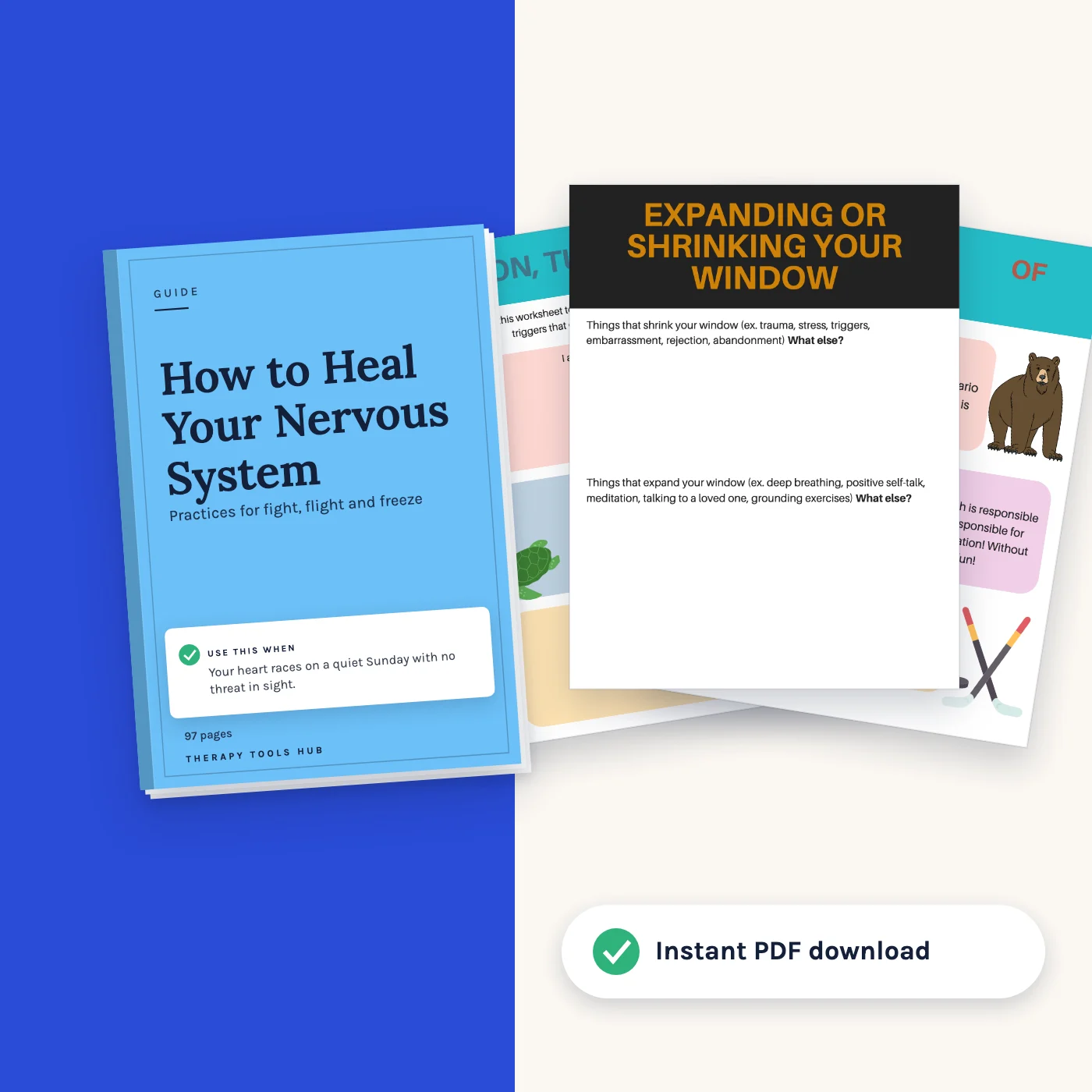
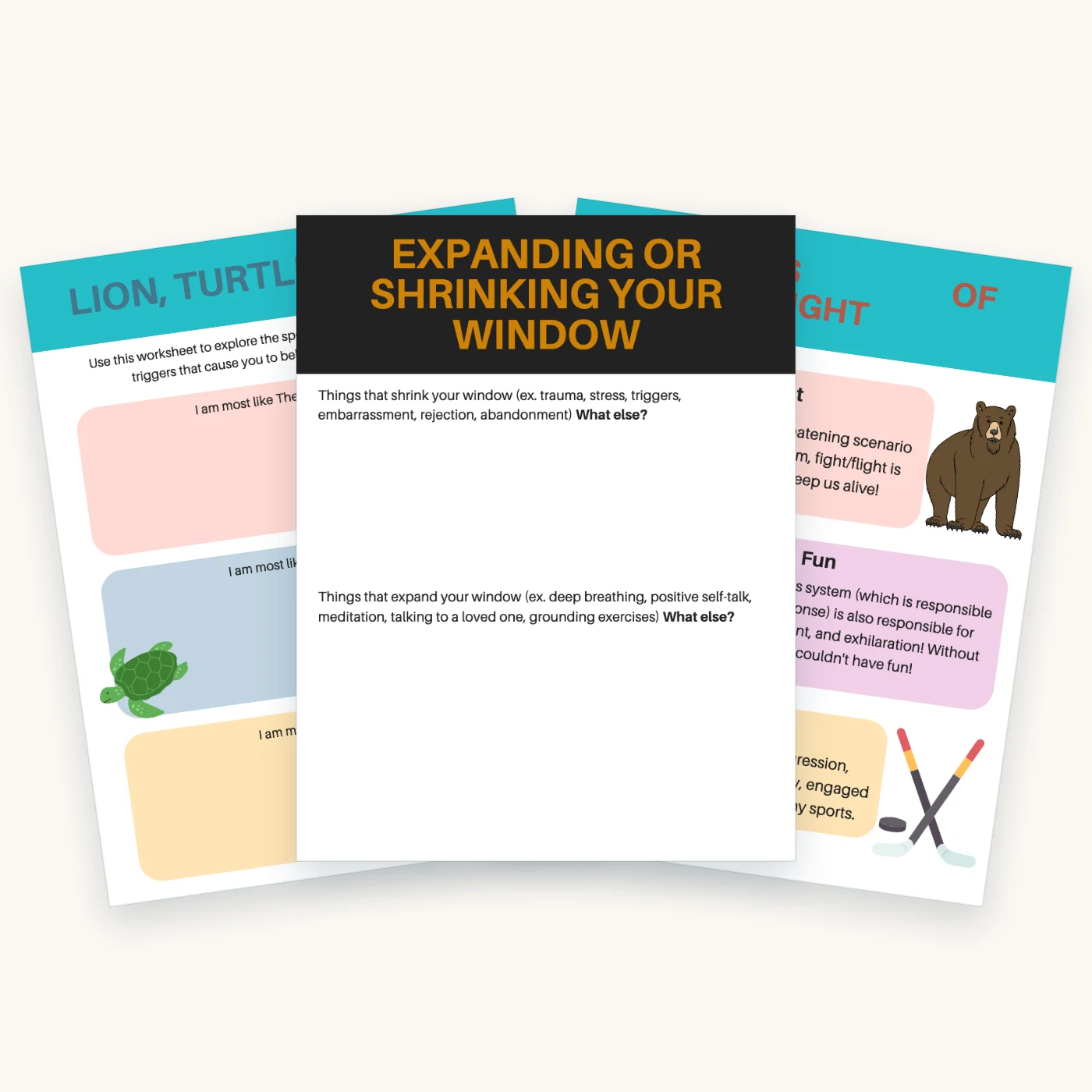
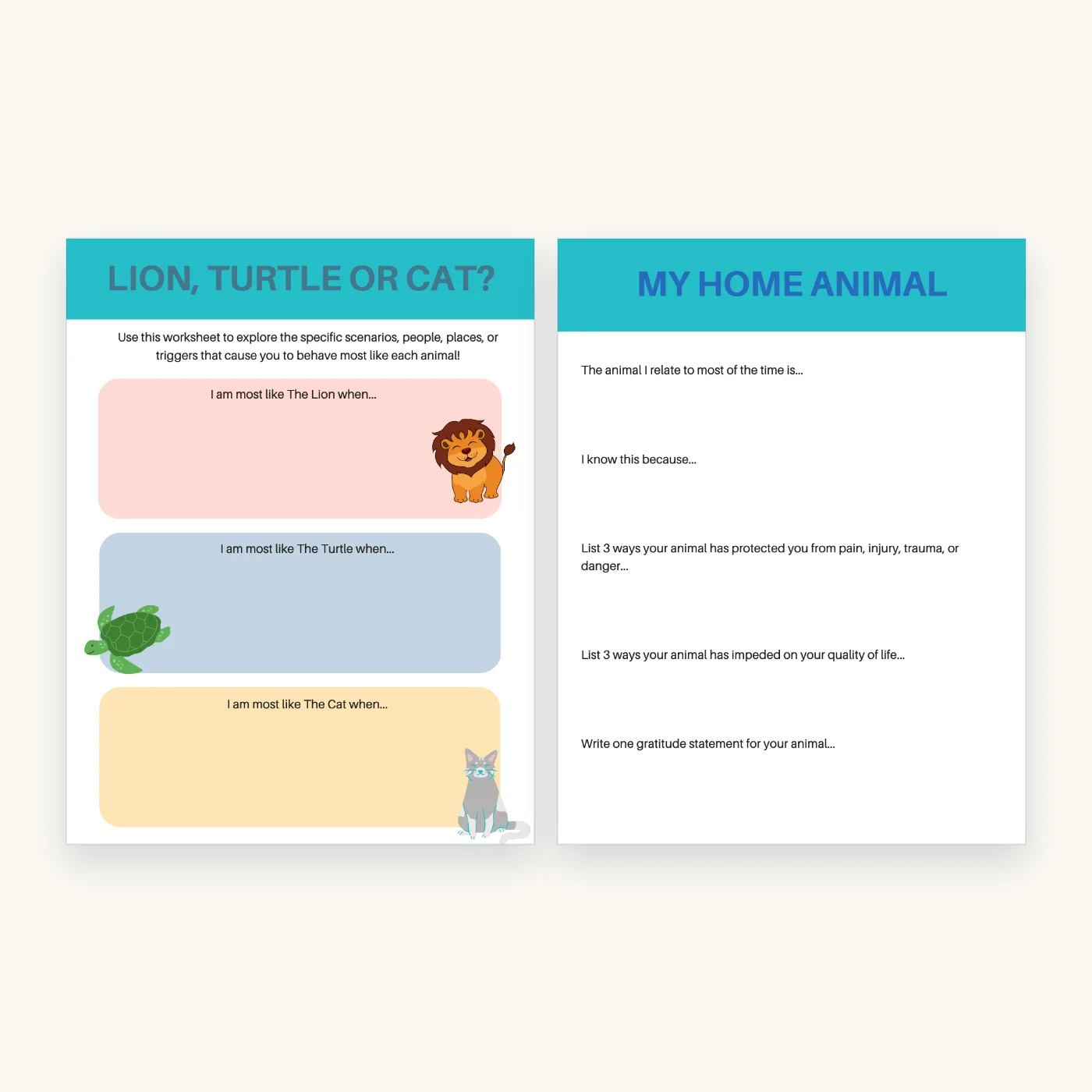
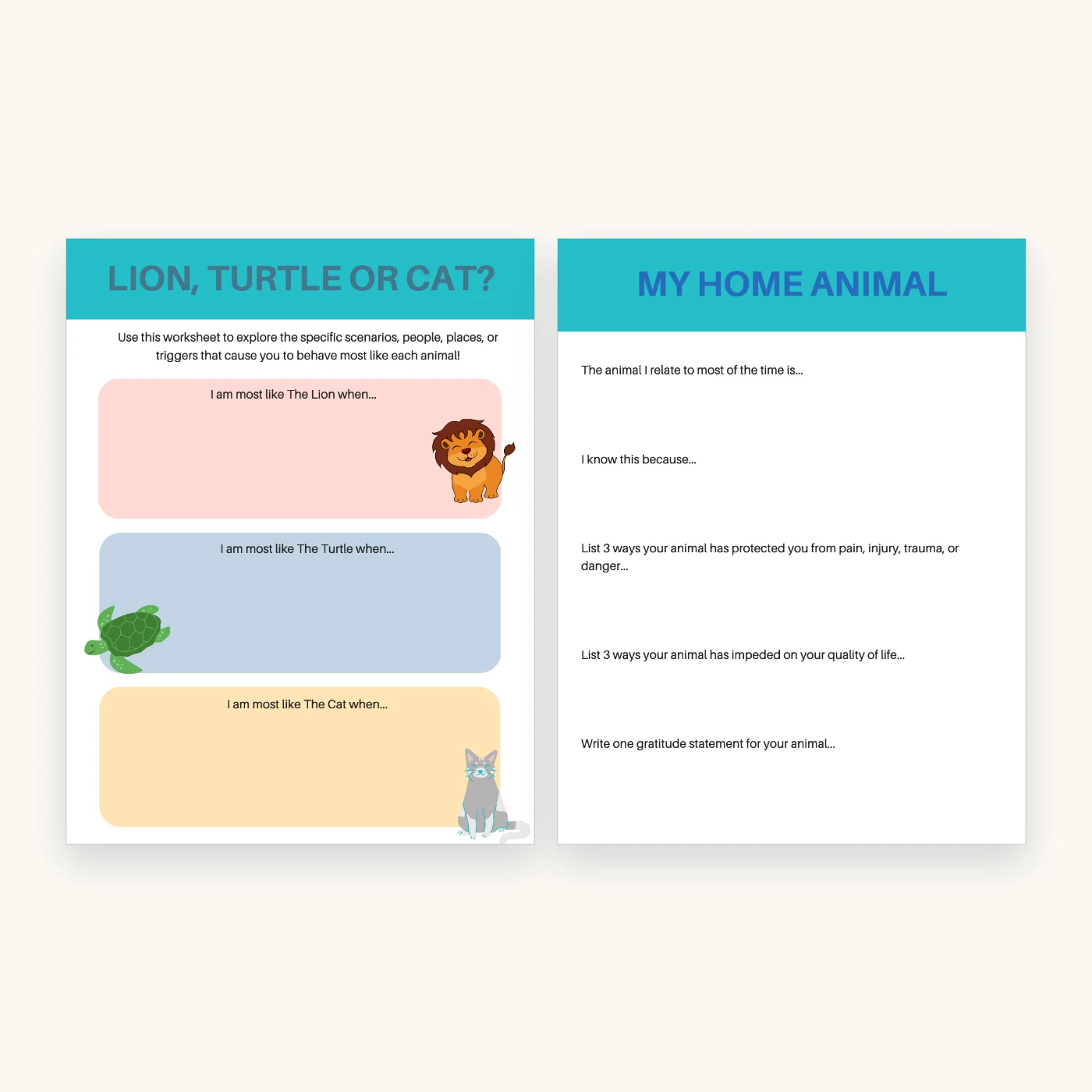
This 97-page interactive guide explains the nervous system through three states, the lion (fight or flight), the turtle (freeze) and the cat (safety and connection), and helps you find your home state. Checklists, a false-alarm diary and a window-of-tolerance map show you where you get stuck. The second half is practice: regulation exercises, healthy ways to release fight-or-flight energy, and a plan for breaking the cycle.
Inside this guide
- What the nervous system is, how it works and what it does
- The three states: the lion, the turtle and the cat
- Lion, turtle or cat: which is your home animal
- The ladder of dysregulation and getting stuck
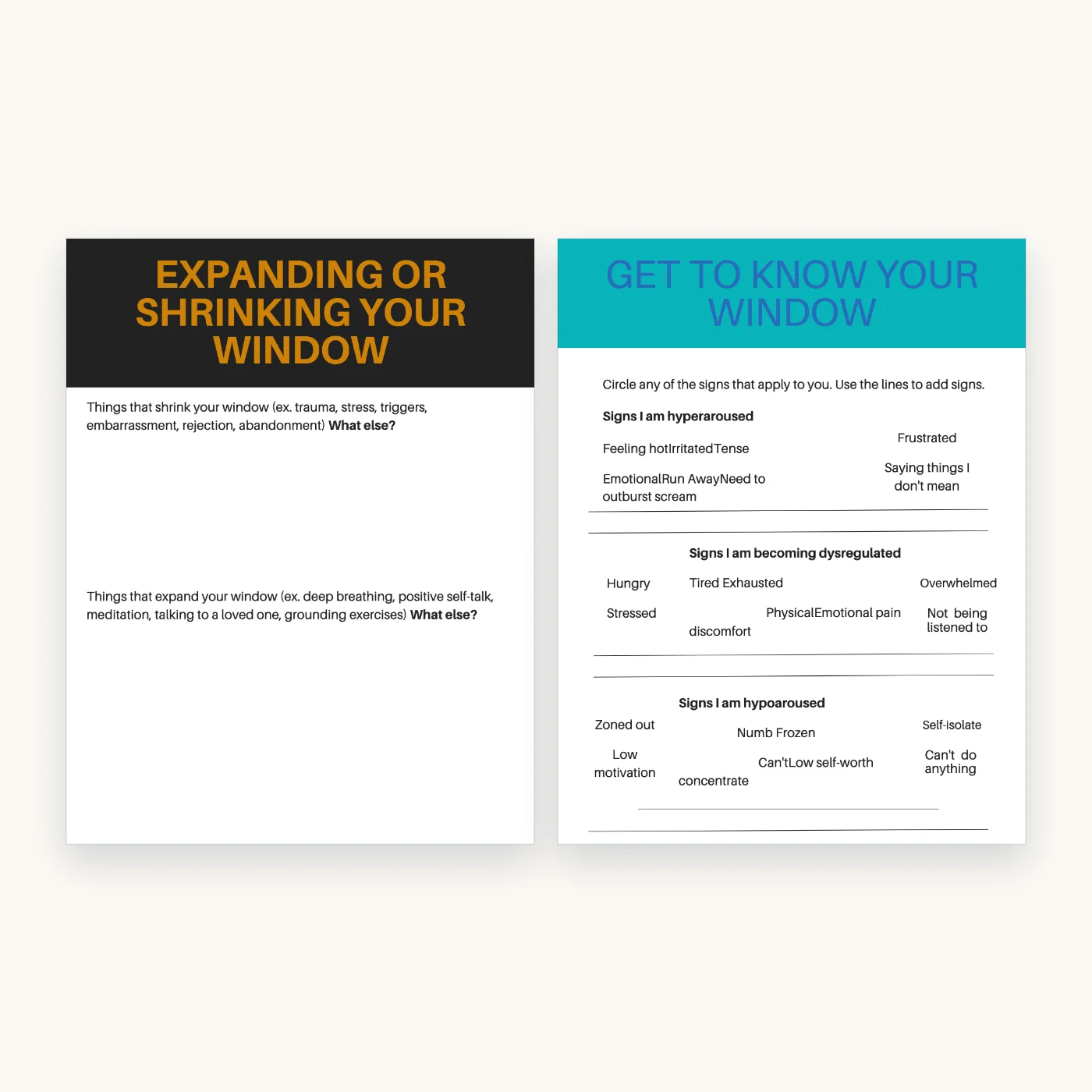
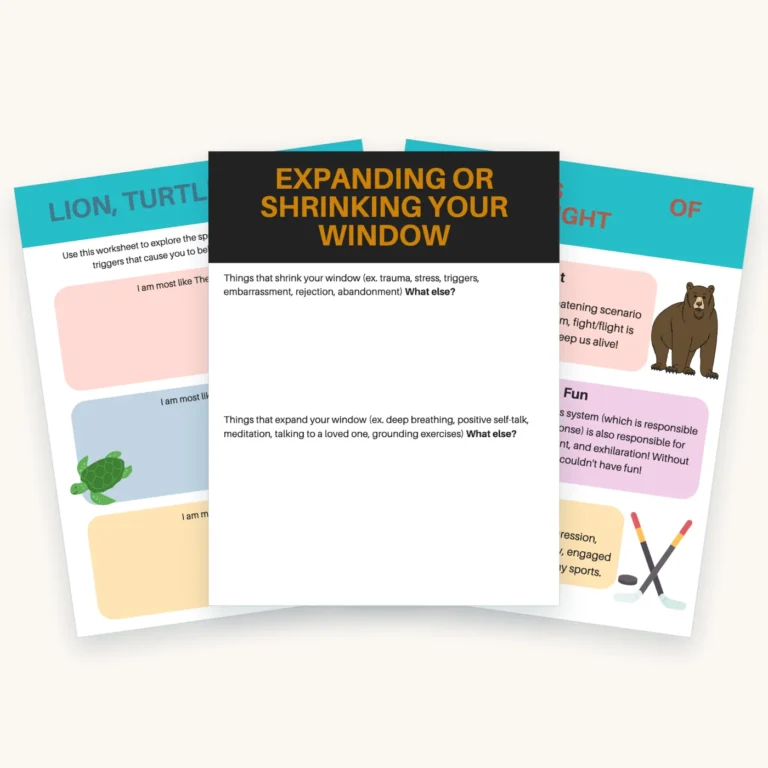
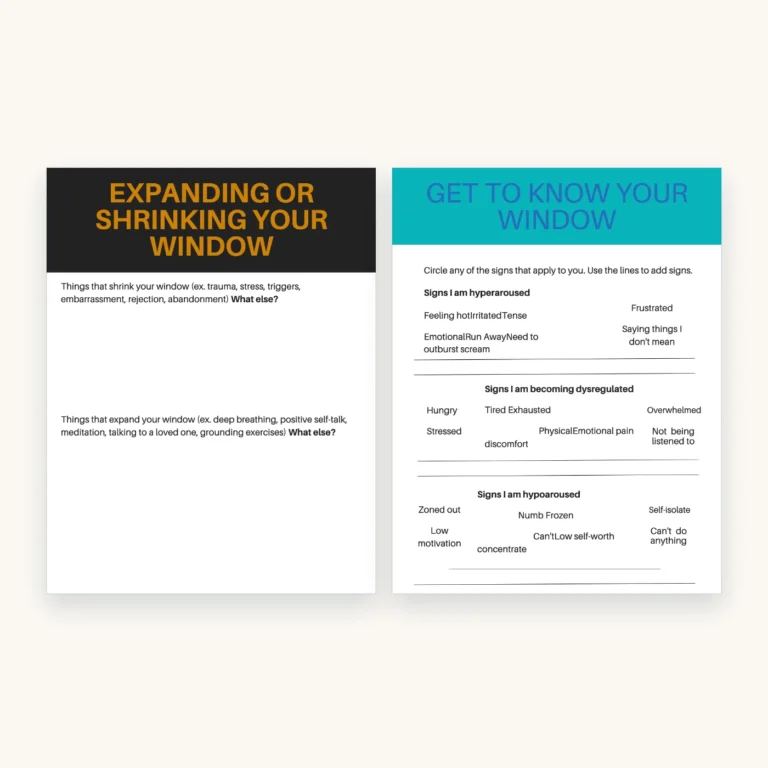
- The window of tolerance: reaching your ceiling, expanding or shrinking it
- Adaptations and mitigations
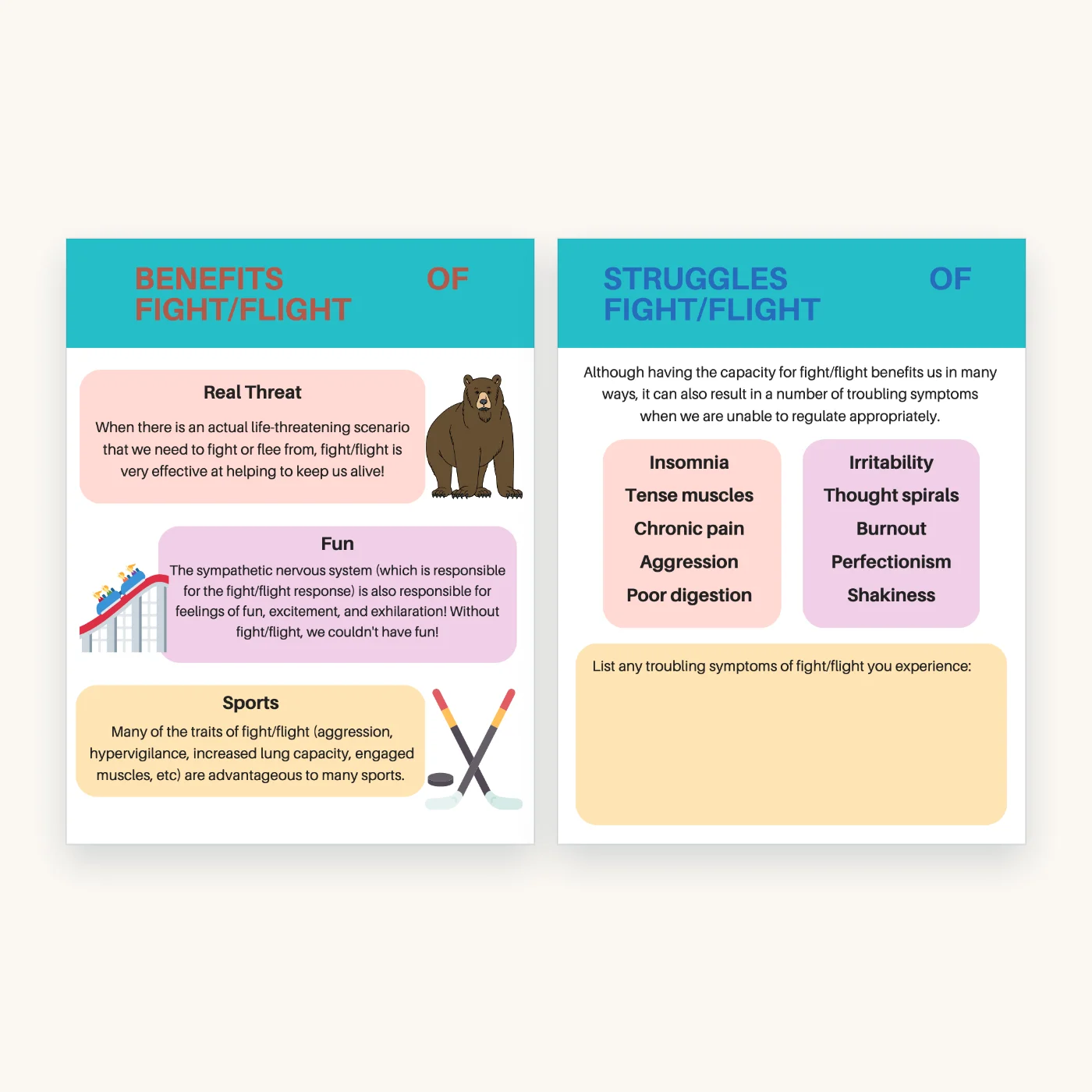
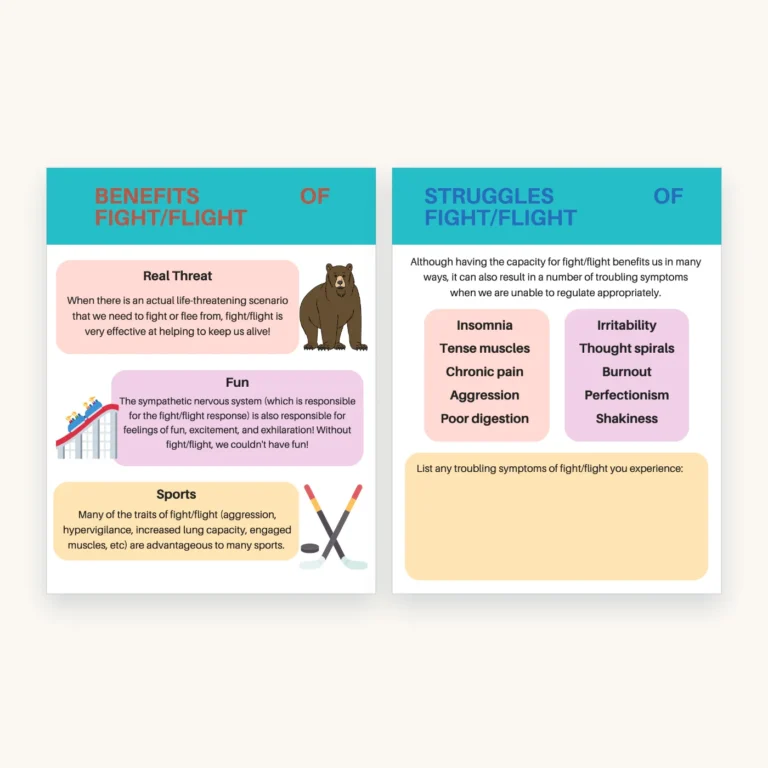
- Fight or flight: evolutionary history, benefits, struggles, checklist
- False alarm diary and real danger versus false alarms
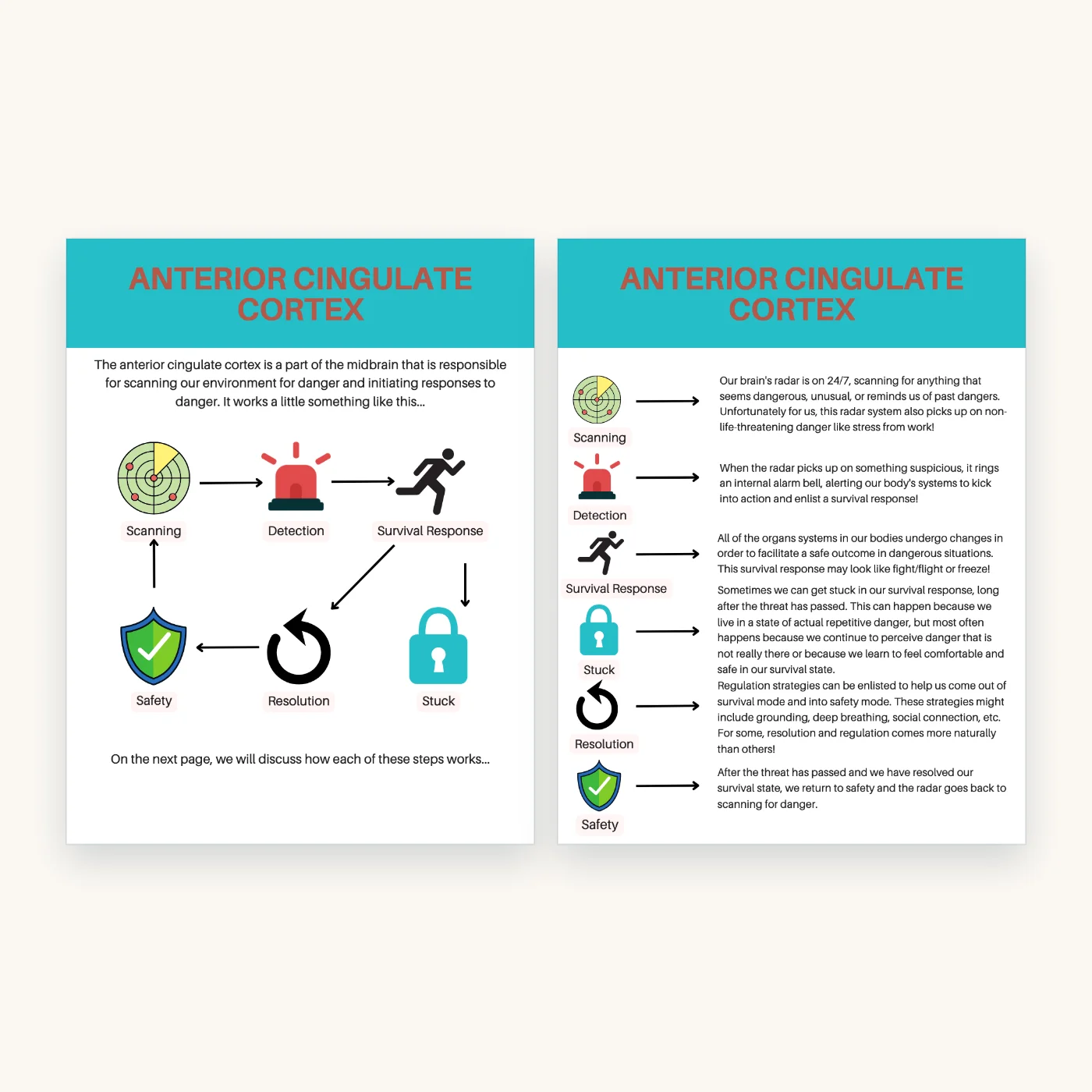
- Build your own anterior cingulate cortex
- Breaking the cycle and healthy ways to expel fight-or-flight energy
- Regulation exercises: safety mantra, deep lumbar stretch and more
Nervous system regulation techniques you practise, not only read about
A door slams down the corridor at work. Your shoulders lift, your breath goes shallow, and twenty minutes later you still feel on edge although nothing happened.
Your brain scans for danger all day. When it reads a slammed door as a threat, it sends you into fight or flight, or into freeze, before your thinking brain catches up. This guide calls those states the lion and the turtle, and calls safety and connection the cat. Once you know which state you slip into, you choose an exercise to match it. A lion state needs energy released. A turtle state needs gentle activation, such as humming or heel drops.
Who this guide to healing your nervous system suits
- Adults who feel wired or exhausted with no clear reason
- People who shut down or go numb under stress
- Anyone working with a therapist on trauma or anxiety who wants practice between sessions
- Counsellors looking for printable psychoeducation on the window of tolerance
How to work through the regulation exercises
Begin with the lion, turtle or cat checklists and write down your home animal. Over the next week, fill in the false alarm diary each time your body reacts to something which turns out to be safe. The ladder of dysregulation pages then show which situations move you down the ladder and which bring you back up.
Next, pick two exercises for your state. The safety mantra and hug breathing sit in the fight or flight section. Vocal activation and shaking it out sit in the freeze section. Add them to the morning routine page and use titration to build up one small step at a time. If waiting for a message sets off your fight or flight response, read anxious attachment and waiting for a reply. For trauma processing, see the PTSD and trauma processing workbook.
Questions about the nervous system regulation guide
What format is the nervous system guide?
It is a PDF of 97 pages. Print it at home or fill it in on screen. It downloads straight after payment.
What are nervous system regulation exercises?
Short physical or vocal practices which help your body move out of fight, flight or freeze. Examples in the guide include heel drops, a deep lumbar stretch, floor boundaries and hug breathing.
What is the window of tolerance?
The zone where you think clearly and cope with stress. The guide shows the signs you are outside it and the things which shrink or widen it.
Is this guide suitable for use with clients?
It is written or reviewed by a BACP registered therapist for use in sessions and for self-help at home. It supports therapy and does not replace it.
PDF, 97 pages. Print at home or fill in on screen. Instant download after payment.
This workbook is an educational resource. It does not replace therapy, medical care or crisis support. If you feel unsafe, contact your GP, NHS 111 or your local emergency services.




Reviews
There are no reviews yet.